



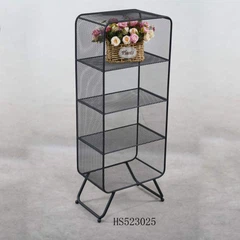

The structural principle of a climbing frame is that it is an architecture suitable for the growth needs of climbing plants. It provides a support system that enables climbing plants to grow quickly and cover larger spaces. The structural principle of a pergola mainly includes the following aspects:
1. Architecture design: The design of the trellis needs to consider the growth mode and characteristics of plants, usually in the form of grid, cylindrical, or pillar. The grid like trellis is mainly composed of horizontal and vertical intersecting support rods, which can provide greater growth space; The cylindrical trellis is composed of vertically arranged slender columns, and plants can climb in a circular manner; A pillar shaped pergola is a form of pillar, on which plants can climb or coil. Different forms of vines can be selected based on the crawling mode and growth needs of plants.
2. Material selection: Vine racks are usually made of metal, wood, or bamboo. The metal trellis has the characteristics of being sturdy and durable, which can withstand the weight of plants and resist wind invasion; Wooden trellises have a more natural aesthetic, but require regular maintenance to prevent corrosion and insect infestation; Bamboo rattan frames are lightweight and have strong compressive performance. The selection of materials should be reasonably matched based on the environment in which the trellis is used and the characteristics of plant growth.
3. Architecture stability: The stability of the trellis is an important condition for ensuring plant growth. For grid and cylindrical pergolas, the connection points between horizontal and vertical bars need to be designed with sturdy nodes, such as welded or bolted connections; For pillar shaped pergolas, it is necessary to fix the pillars on the ground, which can be reinforced with concrete foundations or welded steel bars to ensure the stability and safety of the pergolas.