

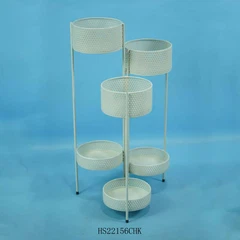
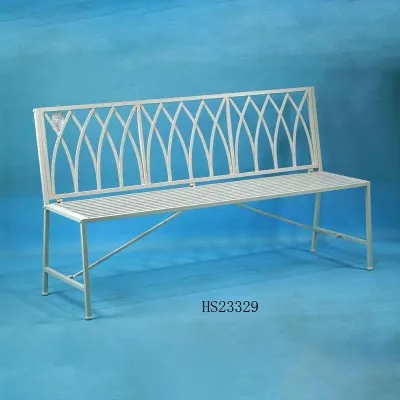
The flower rack in garden sketches is a type of greenhouse style architectural sketch used to support climbing plants, in addition to plant landscaping in green environments. Flower racks can be used for people to rest and observe, and also have the function of organizing space, dividing landscape space, and increasing landscape depth. Flower racks provide conditions for climbing plants, combining plant landscapes with rest spaces. They are one of the most distinctive, natural, and widely used architectural ornaments in garden landscapes.
Flower rack type
The flat shapes of flower racks include straight, folded, circular, etc; The facade design includes double row column, single column, beam column, wall column, etc.
1, A beam column style flower stand with two rows of columns, with beams imitating the top.
2, Wall column style flower rack. It is a variant of the beam column style flower stand, with the other side still in the column style, and one end of the top beam is inserted inside the wall
3, Single column cantilever beam flower rack. There is only one row of columns, and the top beam is constructed in a suspended manner.
4, Single column beam flower stand. That is, the pavilion style flower stand, with no beams at the top of the columns.
Flower rack features
Flower racks are highly distinctive garden architectural ornaments. When arranged in a "dot" shape, it resembles a pavilion, forming the main landscape points and appreciation space; When creating a "linear" layout, it is like a long corridor with the function and nature of a corridor. The top is covered with plant materials, making it more lightweight and transparent, easier to approach nature, and integrated into the environment.
The shape of the flower rack is flexible and lightweight, and it is itself an ornamental object. It can also be combined with pavilions and corridors to form distinctive and diverse scenery
The functional role of flower racks in landscape design
1, Organizational space
The flower stand combines the characteristics of architectural space, and due to the temporal growth of the added plants, the flower stand has a dual characteristic. Being able to be independent of the space, forming an ornamental space dominated by flower racks, while also embellishing the environment, and together with other landscaping elements, forming a composite garden space. The temporal nature of plant growth can also form a unique thinking space for the flower rack, giving it a different ornamental value in each season.
2, Construct landscape
Flower racks can form their own characteristics in terms of flat composition, facade design, and color. In addition, by combining with plants, the hard and soft landscapes can be better integrated together. Whether it is an independent flower stand or a flower stand combined with other architectural forms, it has a good landscape effect.
3, Rest space
Flower racks can enclose one or more recreational spaces, providing a resting place for visitors. The addition of plant landscapes enhances the ornamental value of flower racks, better integrates with the natural environment, and enables the functions of garden green spaces to be better utilized.
The basic elements of flower rack design
The application of flower racks is very extensive. According to specific environmental conditions, they can be independently set up or combined with other architectural landscapes such as pavilions and corridors, using different types and forms of design. The key to handling the changes in the form of flower racks lies in the selection of materials and shapes for columns and squares. The cover of the plants on the flower stand should be beautiful, even after the plants have fallen leaves. The shape of the flower stand should not be too high, as it may appear bulky and not easily covered by plants, making it appear spacious. It should be as close to nature as possible.
Flower racks not only serve as supporting walls and columns, but also serve as space constraints. The beams and beams on the flower stand do not necessarily need to be symmetrical, but can freely stretch and cross, and be built together.
The design of flower racks should be based on the characteristics and environment of plants; Consider the structure and materials of flower racks based on the growth characteristics of plants.
Generally, flower racks are often placed on the roadside, by the edge of water pools, and at corners. Often combined and connected with pavilions or other buildings. Combine more with plant planting. The materials on the top of the flower rack can be bamboo, wood, concrete, or metal, but the high surface temperature of the metal is not conducive to plant growth and is less commonly used.