

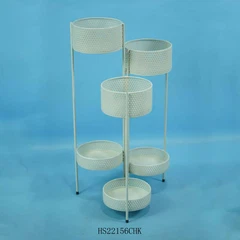
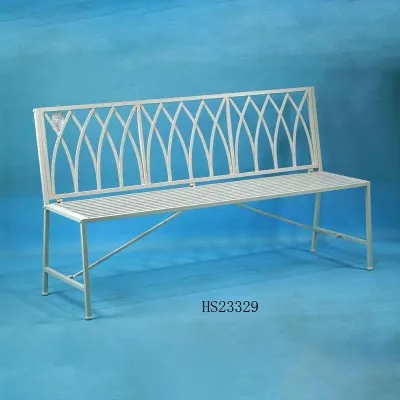
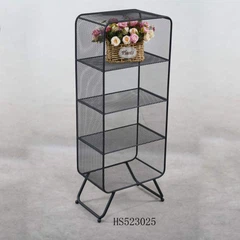

Iron-based furniture is usually associated with traditional styling and substantial weight. Steel is highly versatile and can be formed into tubes, wires, sheets and decorative components. Aluminum is generally lighter and does not develop red iron rust, but it still requires suitable design, surface preparation and finishing.
For procurement, buyers should specify the actual material, dimensions, surface treatment, intended environment and required testing instead of ordering only by the words "iron furniture" or "metal furniture."
Aluminum is generally lighter than comparable iron or steel structures, while iron-based products often provide a heavier and more substantial feel.
Steel works well with tubes, wire, sheet and welded frames. Iron and cast components can support traditional decorative styles.
The complete protection system-including pretreatment, coating, drainage and maintenance-matters more than the coating name alone.
Material price, production method, packing volume, shipment weight and order quantity all contribute to the final purchasing cost.
First, Clarify What "Iron Furniture" Means
"Iron furniture" is often used as a general commercial term. Depending on the product and supplier, it may refer to wrought-style metalwork, cast iron components, mild steel tubes, steel wire or a combination of several materials.
This can create problems when quotations from different suppliers are compared. Two products described as iron garden benches may use different frame materials, tube sizes, decorative parts and production processes.
Ask the supplier to state the material used for each main component. The seat frame, legs, tabletop, back panel, decorative parts and fasteners may not all use the same material.
Iron, Steel and Aluminum at a Glance
| Comparison | Iron-Based Furniture | Steel Furniture | Aluminum Furniture |
|---|---|---|---|
| Typical weight | Usually substantial, especially when cast parts are used | Varies according to tube, sheet and frame design | Generally lighter for a comparable product |
| Design character | Traditional, decorative and visually solid | Versatile, from simple modern frames to decorative styles | Often selected for lightweight and modern outdoor products |
| Outdoor concern | Requires suitable protection against corrosion | Requires suitable pretreatment, coating and drainage | Does not form red iron rust, but can still oxidize or corrode |
| Manufacturing | May involve casting, forging or decorative fabrication | Suitable for cutting, bending, stamping and welding | Requires production methods and joining processes suited to aluminum |
| Logistics | Higher weight may affect handling and freight | Weight and packing volume depend strongly on the design | Lower weight can simplify handling, but carton volume still matters |
| Best buyer question | Which parts are cast iron, wrought-style iron or steel? | What are the tube dimensions, wall thickness and steel specification? | What alloy, section design, joining method and finish are used? |
1. Iron Garden Furniture
Iron garden furniture is often chosen for a classic appearance, decorative scrollwork and a sense of stability. Products with cast components can also carry detailed patterns that suit traditional gardens, hotels, courtyards and heritage-style retail collections.
Its weight may help a product feel stable, but heavier construction also affects manual handling, carton strength and shipping. Buyers should consider how the product will move through warehouses, retail stores and the final installation site.
Procurement points to check:
- Whether "iron" refers to cast iron, fabricated steel or a combination
- Which components are solid, tubular, cast or formed
- How joints and decorative elements are connected
- How hollow sections are sealed or drained
- What pretreatment and coating process is proposed
- How the packaging protects heavy edges and decorative parts
Iron-style products may be suitable for decorative benches, traditional seating and garden features where visual weight is part of the design. Buyers can review examples in the metal garden bench category.
2. Steel Garden Furniture
Steel is an iron-based alloy and is widely used in fabricated outdoor furniture. It can be supplied as tube, wire, rod, sheet or plate, allowing manufacturers to produce many different frame shapes and decorative details.
A steel product should not be judged only by its overall dimensions. Tube profile, wall thickness, bends, cross supports, weld locations and load paths all influence how the structure performs.
Common advantages for product development:
- Suitable for both straight and curved frame designs
- Compatible with many cutting, bending and welding processes
- Can be used in fixed, folding, knock-down or stackable structures
- Supports both modern and traditional outdoor furniture styles
- Allows decorative panels, mesh, wire and sheet parts to be combined
Steel is often considered for products such as metal patio bistro sets, garden tables, rocking chairs, benches and swings.
3. Aluminum Garden Furniture
Aluminum is generally lighter than iron and steel, making it useful when furniture needs to be moved frequently. This may benefit balconies, cafés, seasonal displays and residential patios where users regularly rearrange chairs and tables.
Aluminum does not develop the same red rust associated with iron-based metals. However, it should not automatically be described as maintenance-free or completely corrosion-proof. Alloy selection, joining methods, contact with other metals, surface preparation and the outdoor environment still require attention.
Questions buyers should ask:
- Which aluminum alloy and section type are used?
- Are the main parts extruded, cast, formed or fabricated?
- How are the frame joints made?
- How is the surface prepared before finishing?
- Are different metals separated where necessary?
- Has the design been reviewed for the intended load and use?
A lighter product is not automatically weaker, and a heavier product is not automatically stronger. Performance depends on material properties, section size, frame geometry, joint quality and the complete product design.
Iron vs Steel Garden Furniture: Weight and Stability
Weight affects more than freight. It influences how easily customers move the furniture, how stable the product feels and how workers handle it during packing and installation.
| Situation | Material Consideration | Buyer's Check |
|---|---|---|
| Furniture moved every day | Lower weight may improve handling | Confirm stability and product-use testing |
| Exposed outdoor location | A heavier structure may feel more substantial | Assess wind exposure and anchoring requirements separately |
| E-commerce delivery | Product weight affects parcel handling | Review packed weight, carton size and drop protection |
| Commercial installation | Durability, stability and maintenance are all important | Define project-specific tests and installation needs |
For container shipments, buyers should review both weight and cubic volume. A lightweight product with poor nesting or an inefficient carton can still produce a high landed cost.
Corrosion Protection and Surface Treatment
Outdoor performance is produced by a complete system. The base metal is only one part of that system. Product geometry, pretreatment, coating coverage, curing, drainage, storage and maintenance can all influence the result.
For iron and steel products, buyers should review:
- Cleaning and surface pretreatment before coating
- Coating type and finish required for the project
- Coverage around welds, edges, holes and recessed areas
- Drainage for hollow tubes and horizontal surfaces
- Protection of cut edges, connection points and fastener areas
- Packaging that reduces scratching and moisture exposure
Aluminum products also need suitable surface preparation when painted or powder coated. Buyers should avoid assuming that the same production settings work equally well for every metal.
Do not choose a material based on a general "coastal use" claim. Tell the supplier where the furniture will be installed and define the required coating, fasteners, maintenance expectations and testing with the project team.
Which Material Fits Different Garden Products?
| Product or Project | Possible Direction | Main Procurement Focus |
|---|---|---|
| Decorative garden bench | Iron-style construction or fabricated steel | Actual component materials, welds, stability, coating and packaging |
| Bistro table and chair set | Steel or aluminum, depending on design goals | Folding joints, tabletop stability, product weight and carton efficiency |
| Garden swing | Engineered steel frame is a common design direction | Frame geometry, connections, suspension parts, load testing and assembly |
| Movable balcony furniture | Lightweight steel design or aluminum | Handling, stability, folding or stacking design and finish |
| Garden arch or plant stand | Steel tube, rod, wire or formed components | Anchoring, joints, load from plants, drainage and coating coverage |
| Commercial outdoor project | Selected according to project specification | Testing, maintenance, replacement parts, installation and local requirements |
Buyers developing coordinated collections can review the full metal garden furniture range and related metal garden decoration categories.
How Material Choice Affects Packaging and Shipping
The lowest factory price does not always produce the lowest landed cost. Material choice can change the packed weight, while product construction determines whether the frame can be folded, disassembled, nested or stacked.
Review these points before approving an order:
- Net and gross weight per product
- Master carton dimensions and quantity per carton
- Knock-down, folding, nesting or stacking possibilities
- Number of units expected per container
- Protection for corners, legs, tabletops and decorative parts
- Hardware packing and assembly instructions
- Suitability for e-commerce or retail distribution
Heavy furniture may need stronger internal protection and more careful handling. Lightweight frames may need support inside the carton to prevent movement or deformation. Packaging should therefore be tested with the actual production product.
What to Include in Your RFQ
A clear request for quotation helps suppliers recommend a suitable structure and provide quotations that are easier to compare.
- Product drawing, reference photo or required style
- Intended market and outdoor environment
- Actual material required for each main component
- Tube, wire, sheet or solid-section dimensions
- Target product size and packed weight
- Surface pretreatment, coating and color requirements
- Required load, stability, corrosion or coating tests
- Fastener material and replacement hardware needs
- Carton requirements and distribution method
- Order quantity, target delivery date and inspection plan
Common Material-Sourcing Mistakes
| Mistake | Possible Result | Better Approach |
|---|---|---|
| Accepting "metal" as the complete specification | Different suppliers quote different structures | Specify each main component and section size |
| Choosing by product weight alone | Strength, usability or freight may be misunderstood | Review frame design, testing and logistics together |
| Treating all powder coating as identical | Outdoor results may not meet project expectations | Define pretreatment, finish, test method and acceptance criteria |
| Ignoring packed volume | Landed cost becomes higher than expected | Compare carton size, weight and container loading |
| Approving only an appearance sample | Production structure may not be fully controlled | Approve specifications, drawings, samples and test requirements |
How to Make the Final Decision
Start with the way the furniture will be used. A movable café chair has different requirements from a decorative garden bench or a large outdoor swing. Then consider the local climate, desired appearance, target retail price, packaging method and maintenance expectations.
Next, ask the manufacturer to recommend a construction based on those requirements. Compare quotations using the same material definitions, dimensions, coating requirements, testing and packaging standards.
The best result in an iron vs steel garden furniture comparison is not always the heaviest or cheapest option. It is the material and structure that meet the intended use while remaining practical to manufacture, protect, pack and deliver.
Explore Bee Wing's metal garden furniture collection, including garden tables, garden benches, rocking chairs and garden swings.
For material availability, product customization, surface finishes and wholesale quotations, Contact Bee Wing.
Frequently Asked Questions
Not necessarily. Strength depends on the type of iron or steel, section dimensions, frame geometry, joints, welding and complete product design. Material names alone are not enough for a reliable comparison.
Aluminum does not develop red iron rust, but it can oxidize or corrode under certain conditions. Suitable alloy selection, design, surface preparation, finishing and maintenance remain important.
There is no universal answer. The complete material, fastener, coating and maintenance system should be selected for the installation environment. Buyers should define project requirements and testing before ordering.
No. Higher weight may provide a substantial feel, but it does not automatically prove strength or durability. Product construction, joint quality, surface protection and testing should also be reviewed.
The answer depends on the product design, material specification, manufacturing process, coating, order quantity, packaging and freight. Buyers should compare landed cost using equivalent specifications.
Request an approved specification, component material list, drawings, finish details, packaging standard, sample approval and relevant testing requirements. These documents provide a clearer production reference than photos alone.