

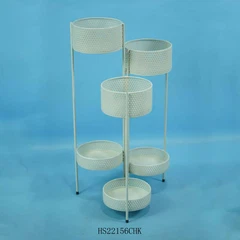
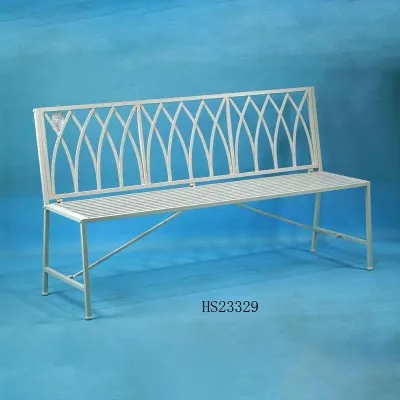
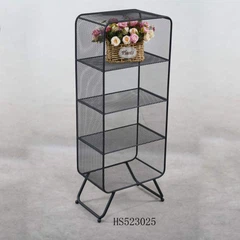
As a supplier of metal garden cages, I often get asked about the tools required to make these functional and aesthetically pleasing garden accessories. In this blog post, I'll delve into the essential tools needed for crafting a metal garden cage, offering insights into their uses and why they are indispensable for the process.
Measuring Tools
- Tape Measure: A tape measure is a fundamental tool for any metalworking project. When making a metal garden cage, accurate measurements are crucial to ensure the cage fits the intended space and the plants it will support. You'll need to measure the length, width, and height of the area where the cage will be placed, as well as the dimensions of the metal rods or wires you'll be using. A standard 25 - foot tape measure is sufficient for most garden cage projects.
- Calipers: Calipers are used to measure the thickness of the metal rods or wires precisely. This is important because the thickness affects the strength and durability of the cage. Digital calipers provide more accurate readings than their manual counterparts and are relatively easy to use. They can measure both inside and outside diameters, which is useful when working with different types of metal tubing.
Cutting Tools
- Hacksaw: A hacksaw is a versatile cutting tool that can be used to cut through various types of metal, including steel, aluminum, and wrought iron. It's relatively inexpensive and easy to handle, making it a great choice for DIYers. When using a hacksaw, make sure to choose the right blade for the type of metal you're cutting. For example, a blade with more teeth per inch is better for cutting thin metal, while a blade with fewer teeth is suitable for thicker metal.
- Angle Grinder: An angle grinder is a powerful tool that can cut through metal quickly and efficiently. It's especially useful for cutting large pieces of metal or for making angled cuts. However, it can be dangerous if not used properly, so it's important to wear protective gear, such as safety glasses and gloves, when operating an angle grinder. You'll also need to choose the right cutting disc for the type of metal you're working with.
- Pipe Cutter: If you're using metal pipes to make your garden cage, a pipe cutter is the ideal tool. It provides a clean and precise cut, which is important for ensuring a proper fit. There are different types of pipe cutters available, including manual and hydraulic models. Manual pipe cutters are more affordable and are suitable for small - scale projects, while hydraulic pipe cutters are more powerful and can cut through thicker pipes.
Bending Tools
- Pipe Bender: A pipe bender is used to bend metal pipes into different shapes, such as curves and angles. This is essential for creating the unique designs of a metal garden cage. There are different types of pipe benders available, including manual and electric models. Manual pipe benders are suitable for small - scale projects and are relatively inexpensive. Electric pipe benders are more powerful and can bend larger pipes, but they are also more expensive.
- Vise - Grips: Vise - grips, also known as locking pliers, can be used to hold the metal in place while you're bending it. They provide a strong grip and prevent the metal from slipping, which is important for achieving accurate bends. You can use vise - grips in combination with other bending tools, such as a pipe bender, to make the bending process easier.
Joining Tools
- Welding Machine: Welding is a permanent way to join metal pieces together. If you're making a heavy - duty metal garden cage, a welding machine is the best option. There are different types of welding machines available, including MIG (Metal Inert Gas) and TIG (Tungsten Inert Gas) welders. MIG welders are easier to use and are suitable for beginners, while TIG welders provide a more precise and high - quality weld.
- Bolts and Nuts: Bolts and nuts are a simple and effective way to join metal pieces together. They are easy to install and can be removed if needed, which is useful for making adjustments or repairs. When using bolts and nuts, make sure to choose the right size and type for the application. You'll also need a wrench to tighten the bolts securely.
Finishing Tools
- Sandpaper: Sandpaper is used to smooth the edges of the metal after cutting and to remove any rough spots or burrs. It's important to use the right grit of sandpaper for the job. Coarse - grit sandpaper is used for removing large amounts of material, while fine - grit sandpaper is used for finishing the surface.
- Paintbrush and Paint: Once your metal garden cage is assembled, you'll want to protect it from rust and corrosion by painting it. Choose a high - quality metal paint that is suitable for outdoor use. A paintbrush is used to apply the paint evenly to the surface of the cage. You may need to apply multiple coats of paint for a durable finish.
Safety Equipment
- Safety Glasses: Safety glasses are essential for protecting your eyes from flying debris when cutting, grinding, or welding metal. Make sure to choose safety glasses that meet the appropriate safety standards.
- Gloves: Gloves protect your hands from cuts, burns, and other injuries. When working with metal, choose gloves that are made of a durable material, such as leather or Kevlar.
- Respirator: A respirator is necessary when working with metal dust or fumes, such as when using an angle grinder or a welding machine. It filters out harmful particles and protects your lungs from damage.
At our company, we offer a wide range of metal garden cages, including Wrought Iron Plant Cage, Metal Plant Cage, and Decorative Metal Plant Cages. Our cages are made from high - quality materials and are designed to withstand the elements. If you're interested in purchasing metal garden cages for your garden or for resale, we encourage you to contact us for a detailed discussion. We can provide you with information on pricing, customization options, and delivery.


References
- "The Complete Metalworking Handbook" by Robert A. Granberg
- "DIY Metalworking Projects" by John Smith
- "Welding for Beginners" by David Johnson