


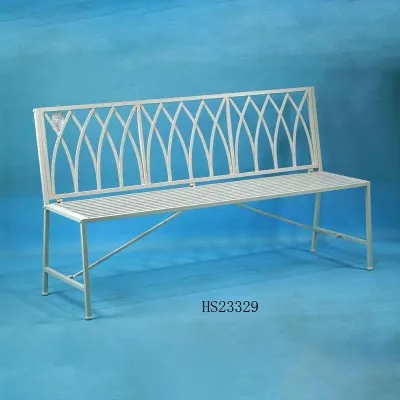
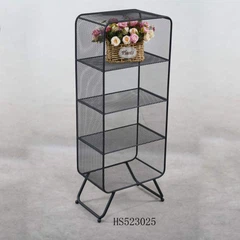

When it comes to furnishing your garden, one of the most significant decisions you'll make is choosing between metal and wooden garden furniture. As a supplier of metal garden furniture, I've had the opportunity to witness firsthand the unique characteristics and benefits of both materials. In this blog post, I'll delve into the differences between metal and wooden garden furniture to help you make an informed decision for your outdoor space.


Durability
One of the primary factors to consider when choosing garden furniture is durability. Metal furniture, particularly when made from high - quality materials such as steel or aluminum, is known for its exceptional durability. It can withstand harsh weather conditions, including heavy rain, strong winds, and intense sunlight, without significant damage. For example, our Outdoor And Indoor Steel Round Table Metal Coffee Table is built to last, with a sturdy steel frame that resists rust and corrosion.
On the other hand, wooden furniture is also durable but requires more maintenance to retain its longevity. Wood is a natural material that can be susceptible to rot, warping, and insect damage if not properly treated and cared for. Regular sealing, staining, or painting is necessary to protect the wood from the elements. However, if maintained correctly, wooden furniture can last for many years, adding a timeless charm to your garden.
Style and Aesthetics
Metal and wooden garden furniture offer distinct styles and aesthetics, allowing you to create a unique look for your outdoor space. Metal furniture often has a modern, sleek, and industrial appearance. It can be found in a variety of designs, from minimalist and contemporary to ornate and decorative. Our Metal Plant Stand Set Of 3 With Ceramic Top combines the functionality of a plant stand with the elegance of a ceramic top, adding a touch of sophistication to any garden.
Wooden furniture, on the contrary, exudes a warm, natural, and rustic charm. It blends seamlessly with the surrounding greenery, creating a cozy and inviting atmosphere. The natural grain and texture of the wood add character to the furniture, making each piece unique. Whether you prefer a traditional Adirondack chair or a simple wooden bench, wooden furniture can bring a sense of tranquility to your garden.
Comfort
Comfort is another important aspect to consider when choosing garden furniture. Metal furniture can be less comfortable than wooden furniture, especially in direct sunlight. Metal absorbs heat quickly and can become hot to the touch, making it unpleasant to sit on during the summer months. However, this can be mitigated by adding cushions or pads to the metal furniture.
Wooden furniture, on the other hand, has a more natural and comfortable feel. It doesn't conduct heat as quickly as metal, so it stays cooler in the sun. The smooth surface of the wood also provides a comfortable seating experience without the need for additional cushions.
Weight and Portability
The weight and portability of garden furniture can be a crucial factor, especially if you need to move or rearrange your outdoor space frequently. Metal furniture is generally heavier than wooden furniture, which can make it more stable but less portable. However, some metal furniture is designed with lightweight materials or features wheels for easy movement.
Wooden furniture is typically lighter and easier to move around. This makes it a great option if you like to change the layout of your garden regularly or if you need to store the furniture during the off - season.
Cost
Cost is often a determining factor when choosing between metal and wooden garden furniture. Metal furniture can vary in price depending on the type of metal, the quality of the construction, and the design. High - quality metal furniture, such as stainless steel or wrought iron, can be more expensive upfront but may offer better long - term value due to its durability.
Wooden furniture also has a wide range of prices. Hardwoods, such as teak or mahogany, are more expensive but are known for their durability and beauty. Softwoods, like pine or cedar, are more affordable but may require more maintenance.
Maintenance
As mentioned earlier, metal and wooden furniture require different levels of maintenance. Metal furniture is relatively low - maintenance. It can be cleaned with a simple soap and water solution, and occasional inspections for rust or damage are recommended. If rust does occur, it can usually be treated with a rust remover and repainted.
Wooden furniture, on the other hand, demands more attention. Regular cleaning, sanding, and refinishing are necessary to keep the wood in good condition. The frequency of maintenance depends on the type of wood and the climate in which it is located.
Environmental Impact
In today's environmentally conscious world, the environmental impact of garden furniture is an important consideration. Metal furniture can be made from recycled materials, and many metal products are recyclable at the end of their lifespan. This makes metal furniture a more sustainable option in terms of reducing waste.
Wooden furniture is also an environmentally friendly choice if the wood is sourced from sustainable forests. Look for furniture made from certified sustainable wood, such as FSC (Forest Stewardship Council) - certified wood, to ensure that the wood is harvested in an environmentally responsible manner.
Conclusion
In conclusion, both metal and wooden garden furniture have their own unique advantages and disadvantages. Metal furniture offers durability, modern style, and low - maintenance, while wooden furniture provides a warm, natural aesthetic and a comfortable seating experience. The choice between the two ultimately depends on your personal preferences, budget, and the specific needs of your outdoor space.
As a supplier of metal garden furniture, I'm confident that our products can meet your requirements. Our Outdoor Garden Furniture Set With Mosaic is a perfect example of the high - quality and stylish metal furniture we offer. If you're interested in learning more about our metal garden furniture or are considering a purchase, I encourage you to reach out to us. We're more than happy to discuss your needs and help you find the perfect furniture for your garden.
References
- "The Complete Guide to Garden Furniture" by Outdoor Living Experts
- "Materials and Design in Outdoor Furniture" by Furniture Design Journal
- "Sustainable Furniture Choices" by Environmental Conservation Magazine