

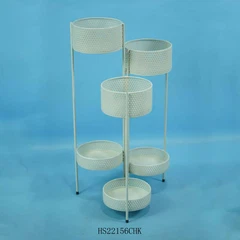
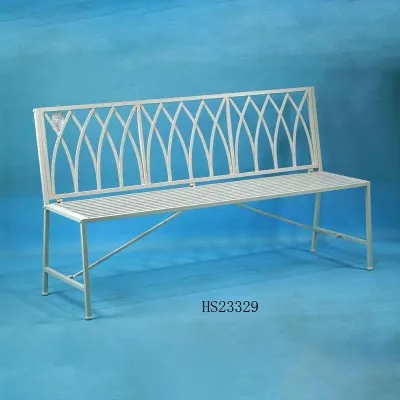
As a supplier of metal garden trellises, I've witnessed firsthand how these elegant structures can transform a garden into a lush and vibrant oasis. Metal garden trellises not only provide support for climbing plants but also add a touch of sophistication to any outdoor space. However, one common challenge that gardeners face is dealing with pests that can damage both the trellis and the plants growing on it. In this blog post, I'll share some effective strategies on how to prevent pests on a metal garden trellis.
Understanding the Pests
Before we dive into prevention methods, it's essential to understand the types of pests that commonly target metal garden trellises and the plants growing on them. Some of the most common pests include aphids, spider mites, whiteflies, and caterpillars. These pests can cause damage by sucking the sap from plants, chewing on leaves and stems, or spreading diseases.
Aphids are tiny, soft-bodied insects that come in various colors, including green, black, and brown. They typically cluster on the undersides of leaves and new growth, where they feed on plant sap. Spider mites are also small but can be difficult to see with the naked eye. They spin fine webs on plants and suck the sap, causing leaves to turn yellow and eventually drop off. Whiteflies are small, white insects that flutter around plants when disturbed. They also feed on plant sap and can transmit diseases. Caterpillars are the larvae of moths and butterflies and can chew through leaves and stems, causing significant damage to plants.
Choosing the Right Trellis
The first step in preventing pests on a metal garden trellis is to choose the right one. At our store, we offer a wide range of metal garden trellises, including the Tall Metal Garden Trellis, Garden Trellis Black Metal, and Popular White Garden Trellis. When selecting a trellis, consider the size and type of plants you plan to grow on it. Make sure the trellis is sturdy enough to support the weight of the plants and has enough space for them to grow.
In addition to the size and strength of the trellis, choose a material that is resistant to pests and corrosion. Metal trellises are a popular choice because they are durable and long-lasting. However, some metals are more prone to rust and corrosion than others. Look for trellises made from galvanized steel or aluminum, which are both resistant to rust and corrosion.
Proper Installation
Proper installation of the metal garden trellis is crucial for preventing pests. Make sure the trellis is installed securely in the ground or attached to a wall or fence. A loose or unstable trellis can provide a hiding place for pests and make it easier for them to access the plants.
When installing the trellis, leave enough space between the trellis and the plants to allow for air circulation. Good air circulation helps prevent the growth of mold and mildew, which can attract pests. It also makes it easier to inspect the plants for pests and diseases.
Regular Maintenance
Regular maintenance of the metal garden trellis and the plants growing on it is essential for preventing pests. Here are some maintenance tips to keep in mind:
- Inspect the Trellis and Plants Regularly: Check the trellis and plants for signs of pests, such as holes in leaves, discolored leaves, or webs. Early detection of pests can help prevent them from spreading and causing significant damage.
- Clean the Trellis: Remove any debris, such as leaves and twigs, from the trellis regularly. This helps prevent pests from hiding in the debris and provides a clean surface for the plants to grow on.
- Prune the Plants: Prune the plants regularly to remove any dead or damaged branches. This helps improve air circulation and reduces the risk of pests and diseases.
- Water the Plants Properly: Water the plants at the base of the stem to avoid getting the leaves wet. Wet leaves can attract pests and promote the growth of mold and mildew.
- Fertilize the Plants: Fertilize the plants regularly to keep them healthy and strong. Healthy plants are more resistant to pests and diseases.
Natural Pest Control Methods
If you notice pests on your metal garden trellis or the plants growing on it, there are several natural pest control methods you can try. Here are some effective natural pest control methods:


- Neem Oil: Neem oil is a natural insecticide that is derived from the neem tree. It works by disrupting the life cycle of pests, preventing them from feeding and reproducing. Mix neem oil with water and spray it on the plants to control aphids, spider mites, and whiteflies.
- Garlic Spray: Garlic spray is another natural insecticide that can help control pests. Crush several cloves of garlic and mix them with water. Let the mixture sit overnight, then strain it and spray it on the plants. Garlic spray can help repel aphids, caterpillars, and other pests.
- Beneficial Insects: Introduce beneficial insects, such as ladybugs and lacewings, to your garden. These insects feed on pests, such as aphids and spider mites, and can help control their populations.
- Companion Planting: Plant companion plants, such as marigolds and nasturtiums, near your metal garden trellis. These plants can help repel pests and attract beneficial insects.
Chemical Pest Control Methods
If natural pest control methods are not effective, you may need to use chemical pest control methods. However, it's important to use chemicals responsibly and follow the instructions on the label carefully. Here are some tips for using chemical pest control methods:
- Choose the Right Chemical: Select a chemical that is specifically designed to control the pests you are dealing with. Read the label carefully to make sure the chemical is safe to use on the plants growing on your metal garden trellis.
- Apply the Chemical Properly: Follow the instructions on the label carefully when applying the chemical. Wear protective clothing, such as gloves and a mask, to avoid exposure to the chemical.
- Use Chemicals Sparingly: Only use chemicals when necessary and in the smallest amount possible. Overuse of chemicals can harm beneficial insects and pollute the environment.
Conclusion
Preventing pests on a metal garden trellis requires a combination of proper trellis selection, installation, maintenance, and pest control methods. By following the tips outlined in this blog post, you can keep your metal garden trellis and the plants growing on it healthy and pest-free.
If you're interested in purchasing a metal garden trellis or have any questions about pest prevention, please don't hesitate to contact us. We're here to help you create a beautiful and thriving garden.
References
- Smith, J. (2020). Gardening for Beginners: A Guide to Growing Plants in Your Garden. ABC Publishing.
- Johnson, M. (2019). Natural Pest Control Methods for Your Garden. XYZ Press.
- Brown, S. (2018). The Complete Guide to Metal Garden Trellises. DEF Books.