

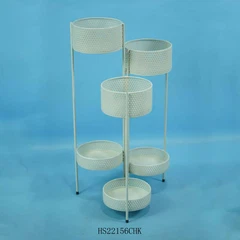
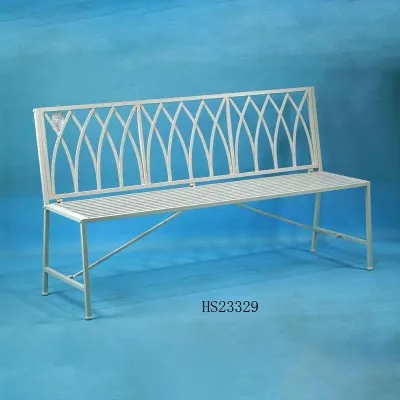
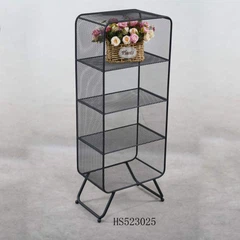
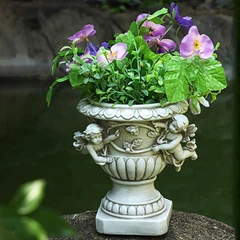
Hey there, fellow garden enthusiasts! As a supplier of metal garden cages, I've seen my fair share of issues when it comes to these nifty structures. One of the most common problems that gardeners face is their metal garden cages tipping over. It can be super frustrating, especially after you've put in all that effort to set up your garden. But don't worry, I'm here to share some practical tips on how to prevent your metal garden cage from tipping over.


First off, let's talk about the importance of a solid base. A wobbly base is like a ticking time - bomb for your garden cage. If the ground where you place your cage isn't level, it's going to be unstable from the get - go. Before you install your Wrought Iron Plant Cage, take a good look at the area. Use a level tool to check if the ground is flat. If it's not, you can do a few things to fix it.
For small uneven spots, you can add some soil or sand to fill in the low areas. Just make sure to pack it down firmly so it doesn't settle later. If the area has a significant slope, you might need to do a bit more work. You could consider building a small raised bed or a platform for your cage. This will create a level surface for the cage to rest on. You can use pressure - treated wood or concrete blocks to build the platform. It might take a bit of time and effort, but it'll be worth it in the long run.
Another great way to keep your metal garden cage stable is by using stakes. Stakes are like the unsung heroes of garden stability. You can use metal or wooden stakes, depending on your preference and the type of soil you have. Metal stakes are generally more durable and can withstand harsh weather conditions better.
To use stakes, drive them into the ground around the perimeter of your Metal Plant Cage. Make sure they're driven deep enough, at least 12 - 18 inches into the ground. Then, use zip ties or wire to attach the cage to the stakes. This will anchor the cage to the ground and prevent it from tipping over. You can space the stakes about every 2 - 3 feet around the cage for maximum stability.
If you're dealing with a particularly large or heavy - duty cage, you might want to consider using guy wires. Guy wires are cables that are attached to the top of the cage and then anchored to the ground. They work by distributing the weight and stress of the cage evenly.
To install guy wires, you'll need some heavy - duty cables and ground anchors. Attach the cables to the top of the cage at several points, making sure they're evenly spaced. Then, drive the ground anchors into the ground at an angle, about 3 - 4 feet away from the cage. Connect the cables to the ground anchors and tighten them up. This will create a stable support system for your cage, especially in windy conditions.
The type of metal your garden cage is made of can also affect its stability. Some metals are heavier and more rigid than others. For example, wrought iron is a popular choice for garden cages because it's strong and durable. It has a high weight - to - strength ratio, which means it's less likely to tip over compared to lighter metals.
When choosing a metal garden cage, look for one with a thick gauge of metal. Thicker metal will be more resistant to bending and warping, which can lead to instability. Also, pay attention to the design of the cage. Cages with a wider base and a lower center of gravity are generally more stable. Avoid cages that are too tall and narrow, as they're more prone to tipping over.
Now, let's talk about the plants you're growing inside the cage. The weight and growth habit of your plants can have a big impact on the stability of the cage. If you're growing heavy - fruiting plants like tomatoes or cucumbers, make sure to train them properly.
Use plant ties to attach the plants to the cage as they grow. This will prevent the plants from leaning too much to one side and causing the cage to tip. You can also prune your plants regularly to keep them in check. Removing any dead or overgrown branches will reduce the weight and wind resistance of the plants.
In addition to the above methods, you can also use counterweights to add stability to your metal garden cage. Counterweights are objects that you place on or near the base of the cage to increase its weight.
You can use things like large rocks, bricks, or sandbags. Place them around the base of the cage, making sure they're evenly distributed. This will lower the center of gravity of the cage and make it less likely to tip over. Just make sure the counterweights are heavy enough to make a difference but not so heavy that they damage the cage or the ground.
Finally, it's important to regularly inspect your metal garden cage. Check for any signs of damage, such as bent or broken bars, loose connections, or rust. If you notice any issues, fix them as soon as possible. A small problem left untreated can quickly turn into a big one and lead to the cage tipping over.
Well, there you have it - a bunch of practical tips on how to prevent your metal garden cage from tipping over. By following these steps, you can ensure that your garden cage stays stable and provides a great support system for your plants.
If you're in the market for a high - quality metal garden cage, we've got you covered. We offer a wide range of Decorative Metal Plant Cages that are not only beautiful but also extremely stable. Whether you're a beginner gardener or a seasoned pro, our cages are designed to meet your needs.
If you're interested in purchasing our metal garden cages or have any questions, feel free to reach out to us. We'd love to have a chat with you and help you find the perfect cage for your garden.
References
- "Gardening Basics: Building Stable Structures" by Green Thumb Publishing
- "The Art of Plant Support: Metal Cages and More" by Garden Enthusiast Press
- Personal experience as a metal garden cage supplier