

Hey there, fellow gardening enthusiasts! As a supplier of metal flower stands, I've heard all sorts of concerns from customers. One of the most common issues? Making a metal flower stand stable on an uneven surface. It can be a real pain, but don't worry – I've got some tips and tricks that'll help you out.
First off, let's talk about why stability is so important. A wobbly flower stand not only looks bad but can also be dangerous. Your precious plants could topple over, getting damaged or even hurting someone. So, ensuring your metal flower stand is stable is crucial for both the safety of your plants and anyone around them.
Assessing the Surface
The first step in making your metal flower stand stable is to assess the surface where you'll be placing it. Take a good look at the ground or floor. Is it bumpy, sloped, or have some other irregularities? Understanding the nature of the surface will help you choose the right solution.
If the surface has small bumps or depressions, you might be able to level it out a bit. For example, if it's a grassy area, you can use a rake to smooth out the bumps and fill in the small holes. On a patio or deck, you can clean the surface and remove any debris that might be causing unevenness.
Using Adjustable Feet
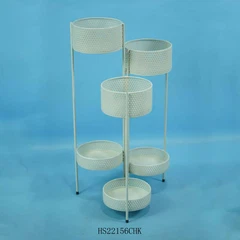
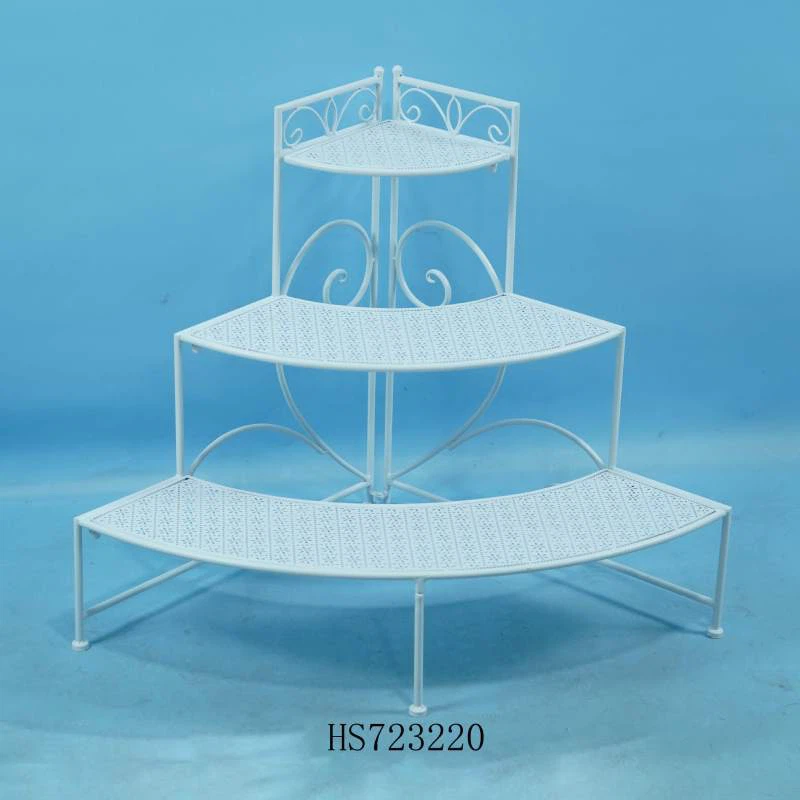
One of the simplest and most effective ways to make a metal flower stand stable on an uneven surface is by using adjustable feet. Many of our White Metal Flower Stand models come with adjustable feet, which are like little screws at the bottom of each leg. You can turn these screws up or down to adjust the height of each leg independently.
Here's how it works: Place the flower stand on the uneven surface. Then, start by adjusting the feet of the legs that are on the lower parts of the surface. Turn the screws clockwise to extend the feet and make the leg longer. Keep doing this for each leg until the flower stand is level and stable. You can use a small level tool to check if it's perfectly horizontal.
Adding Shims
If your metal flower stand doesn't have adjustable feet, or if the unevenness is too extreme for the adjustable feet to handle, you can use shims. Shims are thin pieces of material, like wood, plastic, or metal, that you can place under the legs of the flower stand to level it out.
For a wooden shim, you can use a small piece of scrap wood and cut it to the right size. Place the shim under the leg that needs to be raised. You might need to try a few different thicknesses of shims to get the right level. Plastic shims are also a great option as they're lightweight and won't rot. You can find plastic shims at most hardware stores.
Securing the Flower Stand
In some cases, just leveling the flower stand isn't enough. You might also need to secure it to the surface to prevent it from tipping over. This is especially important if you live in an area with strong winds or if you have kids or pets who might accidentally bump into the flower stand.
If you're placing the flower stand on a patio or deck, you can use anchor bolts to secure it. Drill holes into the surface and insert the anchor bolts. Then, attach the legs of the flower stand to the bolts using nuts and washers. Make sure the bolts are tight enough to hold the flower stand firmly in place.
On a grassy area, you can use ground stakes. Drive the ground stakes into the ground near the legs of the flower stand and then use ropes or cables to tie the legs to the stakes. This will add an extra layer of stability.
Choosing the Right Flower Stand Design
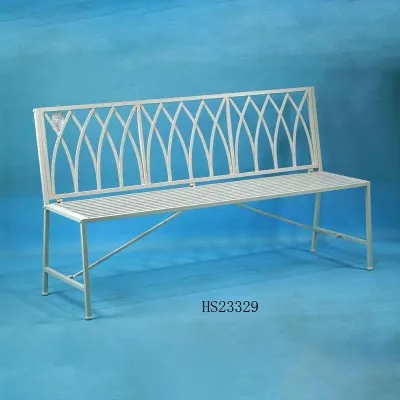
When selecting a metal flower stand, the design can also play a role in its stability on an uneven surface. For example, Iron Flower Rack models with a wider base are generally more stable than those with a narrow base. A wider base provides more support and distributes the weight of the plants more evenly.
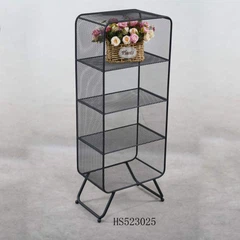
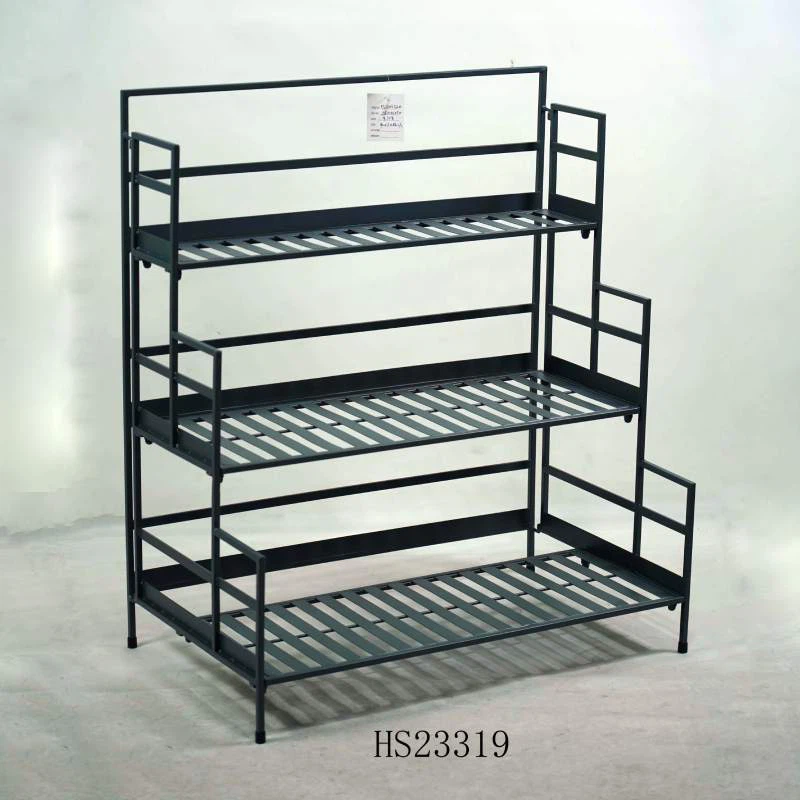
Also, look for flower stands with multiple levels or tiers that are well-connected. A well-constructed multi-tiered flower stand is less likely to wobble than a single-level one. Our Metal Frame Flower Stand is a great example of a stable design, with a strong metal frame that can withstand the weight of multiple plants.
Considering the Weight Distribution
Another factor to keep in mind is the weight distribution of the plants on the flower stand. If you place all the heavy plants on one side of the flower stand, it's more likely to become unbalanced and unstable. Try to distribute the weight evenly across all the levels and sides of the flower stand.
For example, if you have some large potted plants, place them on the lower levels of the flower stand. The lower center of gravity will make the flower stand more stable. Smaller and lighter plants can be placed on the upper levels.
Regular Maintenance
Once you've made your metal flower stand stable, it's important to do regular maintenance. Check the adjustable feet or shims periodically to make sure they're still in place and working properly. If you notice any signs of wear or damage, replace the parts as soon as possible.
Also, clean the flower stand regularly to prevent rust and corrosion. Use a mild soap and water to clean the metal surface, and then dry it thoroughly. This will help extend the lifespan of your flower stand and keep it looking great.
Conclusion
Making a metal flower stand stable on an uneven surface might seem like a challenge, but with the right techniques and a bit of effort, it's definitely achievable. Whether you're using adjustable feet, shims, or securing the flower stand to the surface, these methods will help you create a stable and safe environment for your plants.
As a metal flower stand supplier, I'm always here to help you find the right solution for your needs. If you have any questions or need more advice, don't hesitate to reach out. We offer a wide range of high-quality metal flower stands, including the White Metal Flower Stand, Iron Flower Rack, and Metal Frame Flower Stand. If you're interested in purchasing any of our products or want to discuss your specific requirements, feel free to get in touch for a procurement discussion.
References
- Gardening Basics: A Guide to Plant Care and Maintenance.
- Home Improvement Handbook: Tips for DIY Projects.
- Metalworking and Welding Manual: Understanding Metal Structures.