



Leveling a metal shelf on an uneven surface is a crucial task that ensures both the stability and functionality of the shelf. As a reliable metal shelf supplier, I understand the challenges customers face when dealing with uneven floors, and I'm here to share some effective strategies to help you achieve a level metal shelf.
Understanding the Problem
Before diving into the solutions, it's important to understand why an uneven surface can be a problem for metal shelves. An unlevel shelf can lead to several issues, such as instability, which may cause the shelf to tip over, especially when loaded with heavy items. It can also result in uneven weight distribution, putting extra stress on certain parts of the shelf and potentially causing damage over time. Additionally, an unlevel shelf can make it difficult to place items neatly on the shelves, leading to a disorganized and less functional storage space.
Tools You'll Need
To level a metal shelf on an uneven surface, you'll need a few basic tools. These include a spirit level, which is essential for determining the degree of unevenness and for checking your progress as you level the shelf. You may also need shims, which are thin pieces of material that can be used to fill gaps and raise one side of the shelf. Shims can be made of various materials, such as wood, plastic, or metal. Other useful tools include a hammer, a screwdriver, and a measuring tape.
Step-by-Step Guide to Leveling a Metal Shelf
Step 1: Inspect the Surface
The first step is to carefully inspect the surface where you plan to place the metal shelf. Look for any visible signs of unevenness, such as bumps, dips, or slopes. Use a spirit level to check the surface in multiple directions to get an accurate reading of the unevenness. Mark any areas that are particularly high or low so that you can focus on them during the leveling process.
Step 2: Position the Shelf
Place the metal shelf on the surface and use the spirit level to check if it is level. If the shelf is not level, you'll need to take steps to adjust it. Start by placing the spirit level on one of the shelves and check if it is horizontal. If the bubble in the spirit level is not centered, the shelf is not level.
Step 3: Use Shims
If the shelf is uneven, you can use shims to level it. Start by placing shims under the legs of the shelf on the lower side. You can use multiple shims if necessary to raise the shelf to the desired level. Place the shims one at a time and use the spirit level to check the levelness after each adjustment. Make sure the shims are firmly in place and do not move when the shelf is loaded.


Step 4: Secure the Shelf
Once the shelf is level, you may need to secure it to the floor or the wall to prevent it from moving. This is especially important if the shelf is tall or if it will be loaded with heavy items. You can use screws, brackets, or other fasteners to secure the shelf. Make sure to follow the manufacturer's instructions when securing the shelf to ensure its stability.
Step 5: Check the Levelness Again
After securing the shelf, check the levelness again using the spirit level. Make any final adjustments if necessary to ensure that the shelf is perfectly level. You may also want to check the levelness of the shelves themselves to make sure they are horizontal.
Types of Metal Shelves and Their Leveling Considerations
Metal Freestanding Shelves
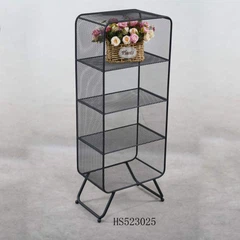
Metal Freestanding Shelves are a popular choice for many applications because they are easy to install and can be moved around as needed. When leveling a freestanding metal shelf, it's important to make sure that all four legs are on a stable surface. If the floor is uneven, you may need to use shims under the legs to level the shelf. It's also a good idea to check the stability of the shelf after leveling it to make sure it doesn't wobble.
Metal Rack with Wood Shelves
Metal Rack with Wood Shelves combines the strength of metal with the warmth and aesthetics of wood. When leveling a metal rack with wood shelves, you need to be careful not to damage the wood. Use shims that are soft enough not to scratch the wood, such as plastic or rubber shims. You may also need to adjust the level of the wood shelves separately to ensure that they are horizontal.
Custom Metal Rack
Custom Metal Rack are designed to meet specific requirements and may have unique leveling challenges. Before leveling a custom metal rack, it's important to understand its design and construction. You may need to consult the manufacturer or a professional installer for guidance on the best way to level the rack.
Tips for Maintaining a Level Metal Shelf
- Regular Inspections: Periodically check the levelness of the metal shelf to ensure that it remains stable. Over time, the floor may settle or the shelf may shift, causing it to become unlevel.
- Avoid Overloading: Do not overload the metal shelf beyond its recommended weight capacity. Overloading can cause the shelf to become unstable and may lead to it tipping over.
- Keep the Surface Clean: A clean surface will help the shelf to stay level. Remove any debris or dirt from the floor where the shelf is placed.
Conclusion
Leveling a metal shelf on an uneven surface is a manageable task that can be accomplished with the right tools and techniques. By following the steps outlined in this guide, you can ensure that your metal shelf is stable, functional, and safe. As a metal shelf supplier, I'm committed to providing high-quality products and helpful advice to our customers. If you have any questions or need further assistance with leveling your metal shelf, or if you're interested in purchasing a metal shelf for your needs, please don't hesitate to contact us for a procurement discussion.
References
- Home Improvement Handbook: A Comprehensive Guide to DIY Projects
- Metal Shelving Installation Manuals
- Online Resources on Furniture Assembly and Leveling