

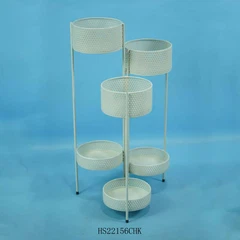
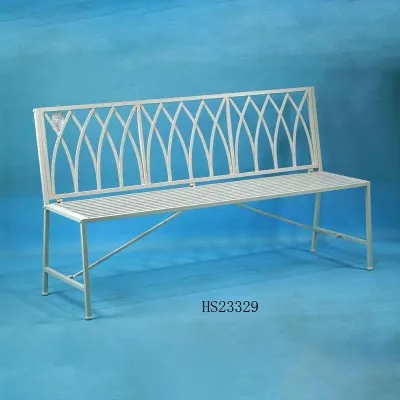
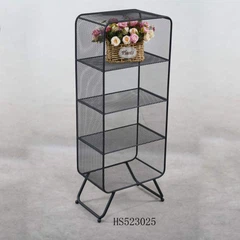
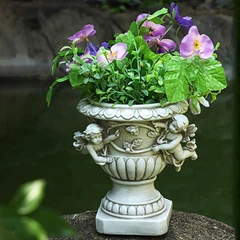
Cleaning a heavily soiled metal garden cage can seem like a daunting task, but with the right approach and tools, it can be made much more manageable. As a supplier of high - quality metal garden cages, including Wrought Iron Plant Cage, Metal Plant Cage, and Decorative Metal Plant Cages, I've gained a wealth of knowledge about their maintenance. In this blog, I'll share some effective methods to restore your dirty metal garden cage to its former glory.
Understanding the Soil and the Metal
Before you start cleaning, it's crucial to understand what kind of soil you're dealing with and the type of metal your garden cage is made of. Different metals react differently to cleaning agents, and various types of dirt require specific removal techniques.
Common metals used in garden cages include wrought iron, steel, and aluminum. Wrought iron is prone to rust if not properly maintained, while steel can also rust but may have a protective coating. Aluminum is lightweight and resistant to rust, but it can develop a dull patina over time.
The soil on a garden cage can be a combination of dirt, mud, plant debris, rust, and even mildew. Dirt and mud are relatively easy to remove, but rust and mildew require more targeted treatments.
Pre - cleaning Steps
- Inspect the Cage: Walk around the cage and check for any loose parts, broken welds, or signs of structural damage. If you find any issues, it's best to address them before cleaning. For example, if there are loose screws, tighten them; if there are small cracks in the welds, you may need to have them repaired by a professional.
- Remove Loose Debris: Use a broom or a brush to sweep off any loose dirt, leaves, or twigs from the cage. This will make the subsequent cleaning steps more effective and prevent the debris from getting into the cleaning solution.
- Protect the Surrounding Area: Lay down a tarp or some old sheets around the cage to catch any dirt or cleaning solution that may splash. This will make the cleanup after the cleaning process easier and protect your garden plants from the chemicals in the cleaning solution.
Cleaning Methods
For General Dirt and Mud
- Water and Mild Detergent: Fill a bucket with warm water and add a small amount of mild dish soap. Dip a soft - bristled brush or a sponge into the soapy water and gently scrub the cage. Start from the top and work your way down, making sure to cover all the surfaces. Rinse the cage thoroughly with a garden hose to remove the soap residue.
- Pressure Washer: If the dirt is stubborn, you can use a pressure washer. However, be careful not to use too high a pressure, as it can damage the metal surface. Start with a low - pressure setting and gradually increase it if necessary. Keep the nozzle at a safe distance from the cage to avoid denting or scratching the metal.
For Rust Removal
- Vinegar: Vinegar is a natural and effective rust remover. Pour some white vinegar into a spray bottle and spray it directly onto the rusty areas. Let it sit for a few hours or overnight. Then, use a wire brush or a steel wool pad to scrub off the rust. Rinse the cage with water and dry it thoroughly to prevent further rusting.
- Commercial Rust Removers: There are many commercial rust removers available on the market. Follow the instructions on the product label carefully. Usually, you need to apply the remover to the rusty areas, let it work for a specified time, and then rinse it off. Some rust removers may require protective gear such as gloves and goggles, so make sure to use them.
For Mildew Removal
- Bleach Solution: Mix one part bleach with three parts water in a spray bottle. Spray the solution onto the mildewed areas and let it sit for 10 - 15 minutes. Then, use a brush to scrub the mildew away. Rinse the cage thoroughly with water to remove the bleach residue. Be careful when using bleach, as it can be harmful to plants and the environment. Make sure to protect the surrounding plants and avoid over - spraying.
- Tea Tree Oil: Tea tree oil has natural antifungal properties. Mix a few drops of tea tree oil with water in a spray bottle and spray it on the mildewed areas. Let it sit for a while and then wipe it off with a clean cloth. This is a more eco - friendly alternative to bleach.
Post - cleaning Steps
- Dry the Cage: After cleaning, make sure the cage is completely dry. You can use a towel to wipe off any excess water or let it air - dry in the sun. Moisture left on the metal can lead to rusting, especially for iron and steel cages.
- Apply a Protective Coating: To prevent future rust and corrosion, you can apply a protective coating to the cage. For wrought iron and steel cages, a rust - resistant paint or a clear sealant can be used. For aluminum cages, a clear coat can help maintain its shine. Follow the instructions on the coating product for the best results.
- Reassemble and Reinstall: If you had to disassemble any parts of the cage during the inspection or cleaning process, reassemble them carefully. Then, reinstall the cage in its original position in the garden.
Tips for Maintaining a Clean Metal Garden Cage
- Regular Inspections: Check the cage regularly for signs of dirt, rust, or damage. Early detection can prevent small problems from becoming major issues.
- Keep the Area Around the Cage Clean: Remove any fallen leaves, branches, or other debris from around the cage. This will reduce the amount of dirt that accumulates on the cage.
- Avoid Harsh Chemicals: When cleaning the cage, use mild cleaning agents whenever possible. Harsh chemicals can damage the metal and its protective coating.
Conclusion
Cleaning a heavily soiled metal garden cage requires patience and the right techniques. By following the steps outlined in this blog, you can restore your cage to its original condition and ensure its longevity. As a supplier of metal garden cages, I'm committed to providing high - quality products and sharing useful information about their care and maintenance.


If you're interested in purchasing a new metal garden cage or have any questions about the products we offer, such as Wrought Iron Plant Cage, Metal Plant Cage, or Decorative Metal Plant Cages, please don't hesitate to contact us for a purchase and negotiation. We'll be more than happy to assist you in finding the perfect garden cage for your needs.
References
- "The Complete Guide to Garden Metalwork Maintenance" by Gardening Experts
- Manufacturer's instructions for metal garden cages
- Online resources on metal cleaning and rust prevention