

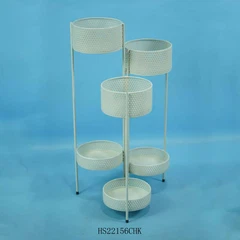
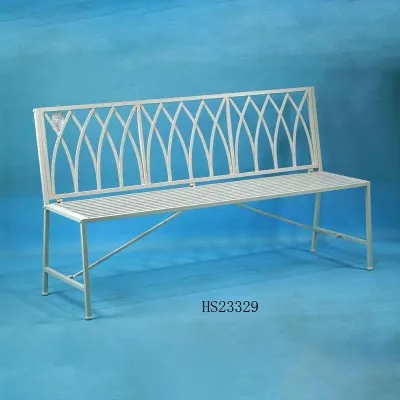
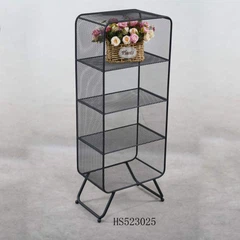

As a supplier of metal garden cages, I often encounter various questions from customers. One frequently asked question is whether metal garden cages are fire - resistant. In this blog post, I'll delve into this topic, exploring the fire - resistant properties of metal garden cages based on scientific knowledge and practical experience.
Understanding the Basics of Fire Resistance
Before we assess the fire - resistant nature of metal garden cages, it's essential to understand what fire resistance means. Fire resistance refers to a material's ability to withstand fire or prevent the spread of flames and heat. Materials with high fire resistance can maintain their structural integrity and functionality for a certain period under fire conditions.
The Fire - Resistant Properties of Metal
Metal is generally considered to have good fire - resistant properties compared to many other materials. Most metals, including those commonly used in metal garden cages such as iron, steel, and aluminum, have high melting points. For example, iron has a melting point of around 1538°C (2800°F), and steel, which is an alloy of iron and other elements, typically has a melting point in the range of 1370 - 1540°C (2500 - 2800°F). Aluminum has a melting point of approximately 660°C (1220°F).
These high melting points mean that metal garden cages can endure relatively high temperatures before they start to deform or melt. In a typical garden fire scenario, such as a small campfire or a brush fire, the temperature may not reach the melting point of the metal. Therefore, metal garden cages can act as a physical barrier to prevent the spread of fire to some extent.
Factors Affecting the Fire Resistance of Metal Garden Cages
However, the fire - resistant performance of metal garden cages is not solely determined by the melting point of the metal. Several other factors can influence their ability to resist fire:
Coating and Finish
Many metal garden cages are coated with paint, powder coating, or other finishes for aesthetic and protective purposes. These coatings can have a significant impact on fire resistance. Some coatings are flammable and can catch fire easily when exposed to high temperatures, which may reduce the overall fire - resistant performance of the cage. On the other hand, there are fire - retardant coatings available in the market. These coatings can slow down the ignition and spread of fire, enhancing the fire resistance of the metal cage.
Thickness of the Metal
The thickness of the metal used in the garden cage also matters. Thicker metal has a larger mass and can absorb more heat before reaching its critical temperature. A thicker metal cage is likely to maintain its structural integrity for a longer time in a fire compared to a thinner one. For example, a cage made of 3 - millimeter thick steel will be more fire - resistant than a similar cage made of 1 - millimeter thick steel.
Design and Structure
The design and structure of the metal garden cage can affect how it responds to fire. A cage with a more open and ventilated design allows heat to dissipate more easily, reducing the risk of heat buildup and potential damage. In contrast, a cage with a closed or complex structure may trap heat, leading to a higher temperature inside the cage and potentially faster deformation of the metal.
Real - World Applications and Fire Safety
In real - world garden settings, metal garden cages can play a role in fire safety. For instance, if you have a potted plant that is close to a fire - prone area, such as a barbecue pit or a fireplace, a metal garden cage can act as a protective barrier. It can prevent the flames from directly reaching the plant and reduce the risk of the plant catching fire.
Moreover, metal garden cages can be used in combination with other fire - prevention measures. You can place fire - retardant mats or fire - resistant barriers around the cage to further enhance the fire - safety level.
Our Product Range and Fire Resistance
As a supplier, we offer a wide range of metal garden cages, including Metal Plant Cage, Wrought Iron Plant Cage, and Decorative Metal Plant Cages. We are committed to ensuring the quality and fire - resistant performance of our products.
Our metal garden cages are made of high - quality metals with appropriate thickness. We also offer options with fire - retardant coatings to meet the different fire - safety requirements of our customers. Whether you need a simple metal plant cage for a small potted plant or a large, decorative wrought - iron cage for a garden centerpiece, we have the right product for you.
Conclusion and Call to Action
In conclusion, metal garden cages generally have good fire - resistant properties due to the high melting points of the metals used. However, factors such as coating, thickness, and design can influence their actual fire - resistant performance. By choosing the right metal garden cage and taking appropriate fire - prevention measures, you can enhance the fire safety in your garden.
If you are interested in our metal garden cages and want to discuss their fire - resistant features or place an order, please feel free to contact us. We are more than happy to assist you in finding the perfect metal garden cage for your needs.


References
- "Fire Resistance of Metals" - A technical report on the fire - resistant properties of common metals.
- "Building Materials and Fire Safety" - A book that covers the relationship between building materials (including metals) and fire safety.
- Industry standards and guidelines on the fire - resistant performance of metal products.